Cheers,
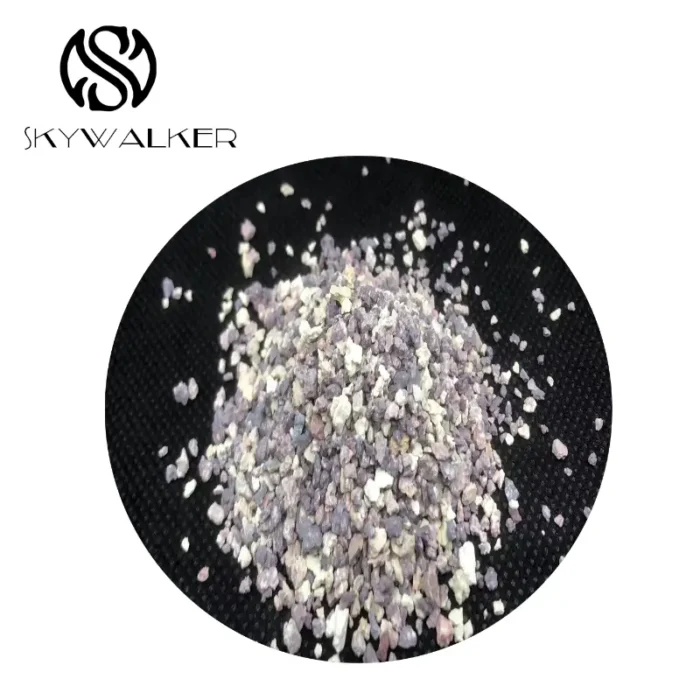
Siliceous earth, widely designated silica powder, represents a exceptional unrefined filtration solution. Collected from the fossilized remains of microscopic aquatic vegetation, this granular material boasts a unique structure – millions of tiny, empty chambers creating a wide-reaching surface area. This configuration provides exceptional refining capabilities, effectively removing particles from liquids. It’s a non-toxic and sustainable choice to artificial filters across various fields, including water filtration, food processing, and crop systems.
Microfossil Aid: A Full Explanation for Superior Quality
Attaining spotless performances in your production work often depends on effective screening methods. Diatomite filter aid, a efficient natural substance, offers a noteworthy improvement, acting as a layer to gather solids that would otherwise pass through your strainer. This guide will consider how diatomaceous earth – often simply called diatomite – works, its several applications in fermentation, and valuable tips for maximal performance. Proper employment of diatomite can dramatically lift the cleanness of your final output, leading to outstanding taste and presentation.
Understanding Kieselguhr: Purposes, Merits, and Risk Management
Diatomaceous earth, called diatomaceous material, is a usual sedimentary bed composed of the fossilized remains of algae. It's primarily constructed from silicon dioxide, silica compound, and has a notably porous structure. This unique composition lends itself to a range of applications across several domains. Here's a look at its roles:- Separation: Widely used in water treatment and brewing to remove impurities.
- Bug Deterrent: Acts as a biological insect repellent by damaging the chitin layers on insects.
- Shining: Employed as a light scouring agent in surface smoothing.
- Pharma & Gastronomy: Can be added to anticaking compounds and carriers in certain preparations.
Appointing each Suitable Filtration Aid Ingredient: Instructions concerning Your Task
Determining the top-notch filtering material powder breed constitutes fundamental towards guaranteeing productive separation among this operation. Think about closely conditions namely particle magnitude, flow frequency, cake generation, and chemical affinity with a brew. Frequent forms feature diatomaceous powder, perlite and cellulose tendrils, each possessing special performance qualities. Suitable evaluation of these features will help you pinpoint your most suitable screening aid solution.
Fossil Filter vs. Separate Separating Materials: The Superior Choice?
During selecting a separation aid for your function, several variants develop beyond simply earth powder. While DE remains a favored fix due to its fine particle volume and excellent filtering abilities, options like coarse particles and cellulose present particular strengths. In the end, the most suitable preference focuses on factors such as expense, productivity, consistency with your chosen liquid and the needed quality of separation.
Diatomite Insights: Composition and Separation Attributes
Earth Sediment is a extraordinary sedimentary bed formed from the fossilized remains of diatoms. These minute organisms possess intricately designed silica frustules, termed capsules, exhibiting a perforated structure with a web of tiny pores and openings. Its architecture grants silica compound its exceptional separating capabilities; the massive surface area and combined pore proportion allow it to effectively gather segregated matter from fluid mediums and gases. Ergo, it's publicly utilized in broad filtration implementations, including freshwater purification, fermented drink cleaning, and pharma production.Conservation Filtration: Surveying Siliceous Filter Options Selections
Mounting concerns related to aqueous matter cleanness and ecological impact are pushing a investigation for advanced separating approaches. One markedly appealing approach involves natural sediment powder, a naturally spontaneous sedimentary formation composed of the casts of minute algae. Compared to standard screening mechanisms that often count on on manufactured substances, diatomaceous diatomite offers a carbon-neutral substitute. Its unique diffuse construction creates a highly impactful strainer capable of removing a far-reaching selection of contaminants from many fluid wells.
Note some benefits of using diatomaceous DE in screening:
- Yields remarkable refining power.
- Is planet-friendly safe.
- Embodies a economical plan.
- Is able to be harnessed for multiple endeavors.
Do-it-Yourself Pool & Pond Sanitation: Using Natural Earth
Wish for a pristine pool or pond minus pricey products? Evaluate using diatomite! This authentic powder is a remarkably effective screening filter aid powder agent. It works by eliminating tiny contaminants and other particulates from the water. Conveniently add it directly to your pool or employ it in a DIY screening device. Be sure to use approved-grade diatomaceous earth, as other types can be damaging to aquatic life. Here's how it can help:
- Clears biological scum
- Improves transparency
- Supplies a chemical-free alternative to harsh solutions
Linking From Earth to Screen: The Process of Microfossil Sediment
Think of a item seemingly simple, yet produced over eons – that’s diatomite. It initiates as the impressions of microscopic unicellular lifeforms, diatoms, that reside in freshwater ponds. When these small creatures expire, their siliceous earthy cell envelopes plunge to the underlayer of the region of water, heaping over massive periods. These mantles are then buried under layers of other sediment, exposed to immense pressure and warmth. Finally, this stone is extracted, refined, and changed into the adaptable filtering agent we recognize as diatomite.