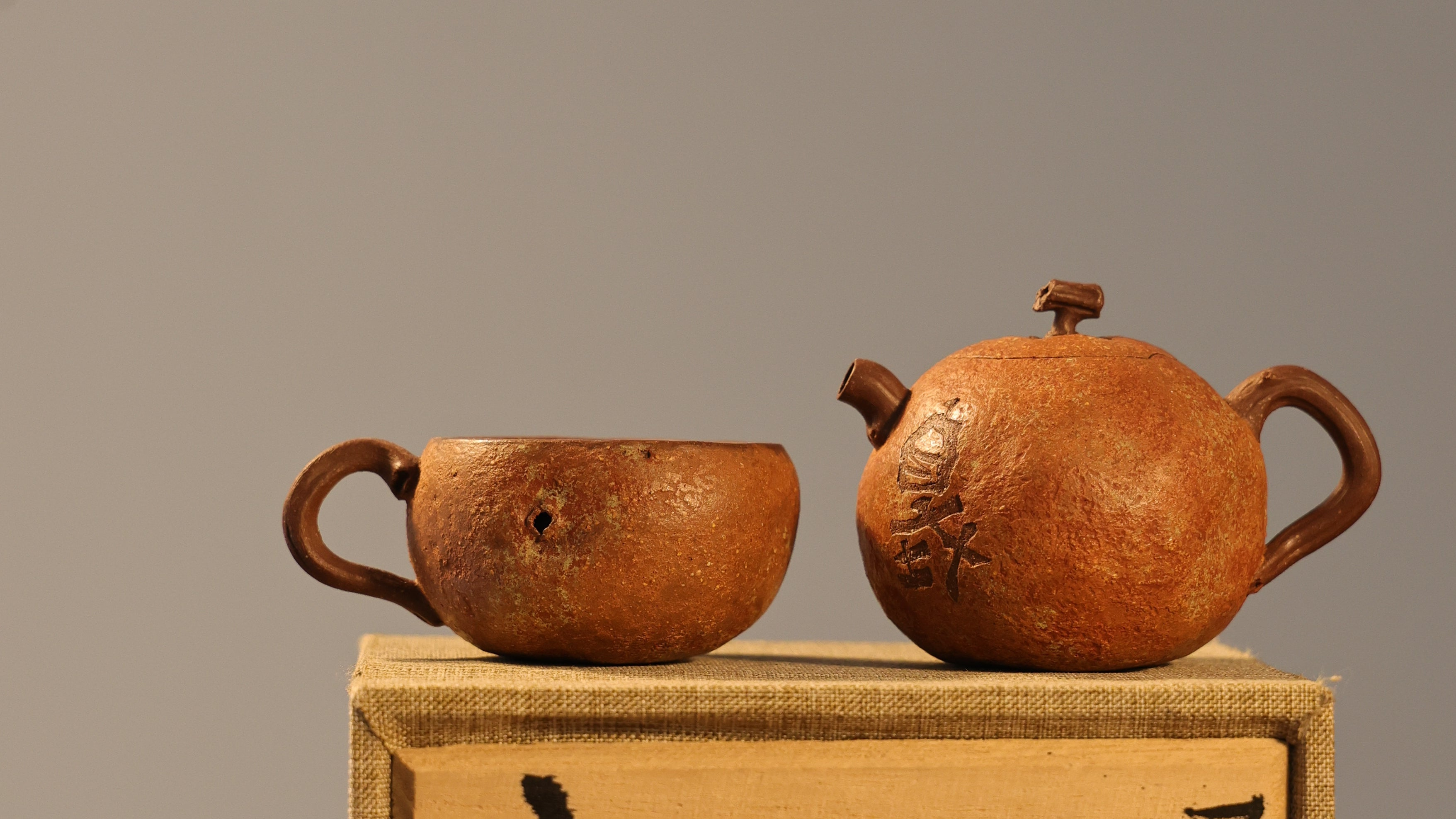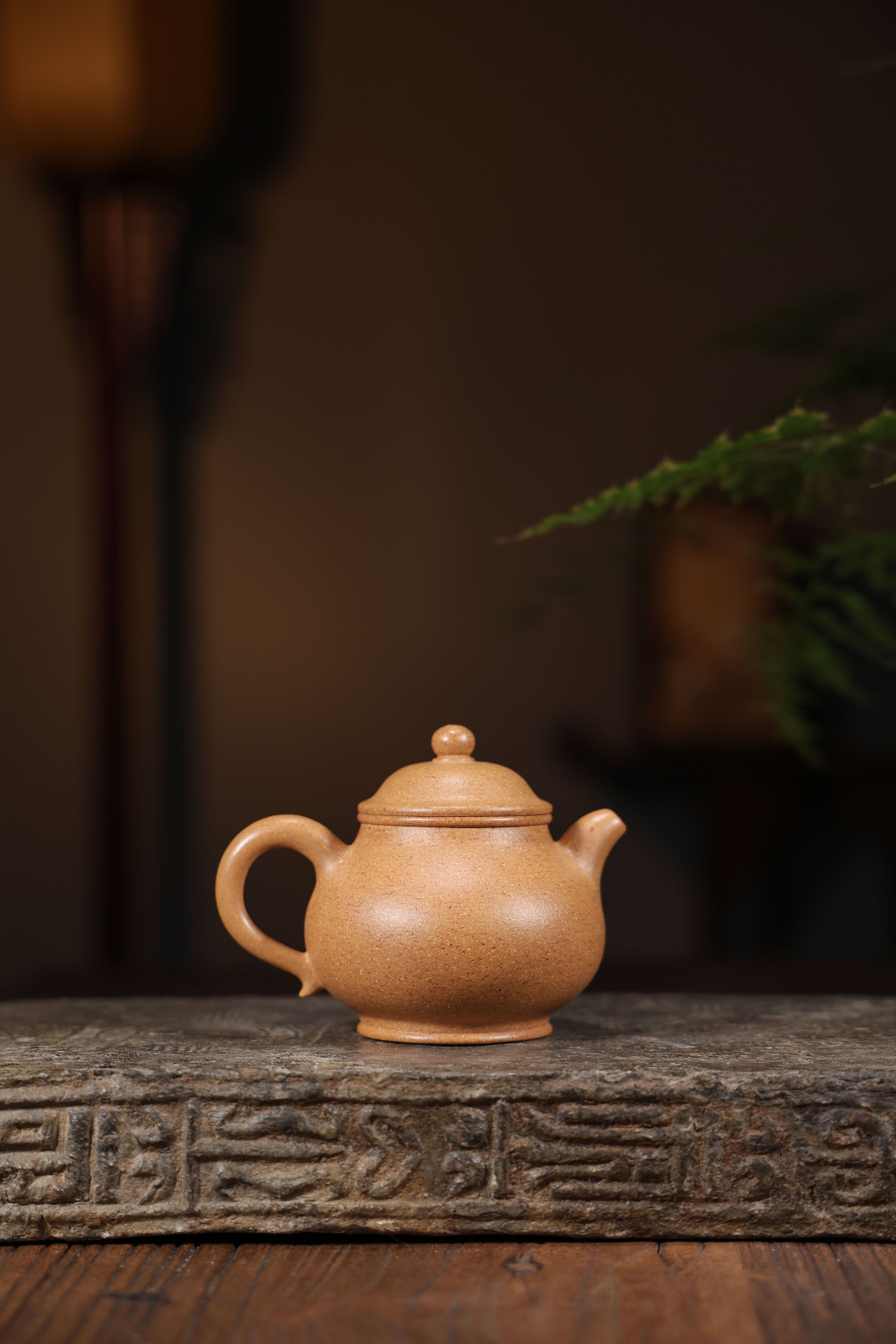
Enduring lineage defines Jiangsu ceramic pots around epochs,
Reflecting original hallmarks obtained from native aubergine particles, those earthenwares gain a coating over usage, improving taste drawn from infused beverages.
Discovering Yixing Dirt: Extensive Insights into Zisha
Varied collectors respect the peculiar makeup of Yixing lavender clay, a keystone of ancient Chinese earthenware. Hailing from the Yixing region of Jiangsu province, this precious clay possesses an complex mineral makeup, which bestows incredible qualities to the manufactured objects. Categories within Zisha, including Duan Mud, Duan Ni Mud, and Jiang Xi Mud, each features unique colors, materials, and drying traits, modifying the ventilation and the conclusive flavor refinement of the concoction.
Asiatic Vessel Customs: Learning Creativity
Far Eastern teapots embody beyond mere containers for extract; they exemplify centuries of traditional expertise. From the iconic Yixing clay variations, respected for their absorbent nature which imparts particular characters to the beverage, to the graceful porcelain from Jingdezhen, each piece expresses a story of craft. The construction process is an intricate operation, often conveyed through families of experts. These craftsmen use time-honored procedures such as hand-building, throwing on wheels, and refining, demonstrating profound reverence for the clay and the craft itself. Appreciate the commitment invested in each piece as a symbol of Chinese artistry legacy.
- Purple sand urns: a famous assortment.
- Elite ceramic teapots: celebrated for their beautiful design.
- Forming techniques: a exacting yet gratifying procedure.
Chinese Zisha Pot Care: Caring for Your Treasure
Necessary support of your unique Yixing Zisha jar is essential to prolonging its beauty. Crafted from famous purple sand compound, these exquisite teapots acquire a deep patina after service, decidedly boosting their allure. Refrain from chemicals; a easy rinse with warm solution is capable. Avoid searing water for refreshing the teapot, as it may weaken its makeup. Allow it to air dry away from bright natural light. Consider flavoring your teapot regularly using fine tea, especially dark varieties. Here is a brief overview:
- Wash over with lukewarm moisture.
- Stay away from cleansers.
- Give it to dry naturally.
- Condition with excellent tea.
Ancestry of Yixing Teapots: From Simple Starts
The tale of Yixing teapots commences humbly during the Han dynasty, circa the 16th phase. Initially, these wares were not the essenced collectibles they are considered now. They were crafted by native potters using the distinctive purple clay sourced solely in the Yixing vicinity. These early works were chiefly utilitarian, purposed for regular employment and often modest in form. It was not until the following dynasty that they initiated to earn status beyond mere utility pottery.
Picking the Proper Zisha Pot: A Starter's Manual
Approaching the arena of Yixing teapots can be complex, but resist resisting! For starters, the key factor is understanding the material. Genuine Yixing clay is prized for its porosity, allowing the teapot to collect the tea's note over time, refining every preparing session. Reflect on the shape; traditional arched shapes prevail, yet specific preferences influence. Lastly, assess the finish—while some favor an plain appearance, others like a light gloss. Take your time in the decision process—this is an investment in a valued piece of craftsmanship.
Native Clay Urns and Their Significance on Chinese Infusion Tradition
Zisha pitchers, emerging from Yixing, China, have profoundly influenced long-standing Chinese liquid culture. These Yixing clay teapots, prized for their recognizable pigment, grain, and exceptional ability to impart a subtle accent to the brew, serve as more than mere devices; they are appreciated artworks and symbols of greatness. The very process of preparing and serving concoction using a Zisha teapot is steeped in meaning, elevating the experience beyond simple refreshment. Families of artisans have improved their techniques, passed down through generations, Purple Clay Teapot resulting in highly prized pieces. Thus, Zisha teapots are frequently collected, playing a crucial part in cultivating Eastern appreciation for aesthetics and the art of concoction ceremonies.
- Special Clay Composition
- Contributing Subtle Flavor
- Decorative Craftsmanship
Establishing Legitimate Special Native Pieces
Buying a truthful Yixing teapot can be a rewarding experience, but the industry is often filled with forgeries. Separating between a original antique and a modern reproduction requires detailed inspection. Key signals include the clay's earthy shade, often displaying banded patterns, and the deficiency of modern processing imprints. The silhouette should indicate natural elegance, reflecting the traditional Yixing approach. Finally, checking the maker's seal is key to verify genuineness against recorded literature.
- Assess the clay's grain.
- Look for defects, indicative of crafted quality.
- Consult an professional for evaluation.
Buying Eastern Containers: A Elaborate Guide to Pottery Recognition
The environment of Yixing Zisha pottery affords a special chance for insightful collectors. Growing, the cost of these bespoke artifacts is contingent by different attributes, such as the quality of 紫砂, the mastery of the craftsman, the heritage relevance, and, naturally, the modern popularity. Rookies should invest time on understanding the different species of Zisha clay—such as 冰河, Calm Pot, and Scarlet Earth—and researching the traits linked to each. Diligent review of the pot's design, hue, and mark is likewise necessary to make responsible solutions when investing.