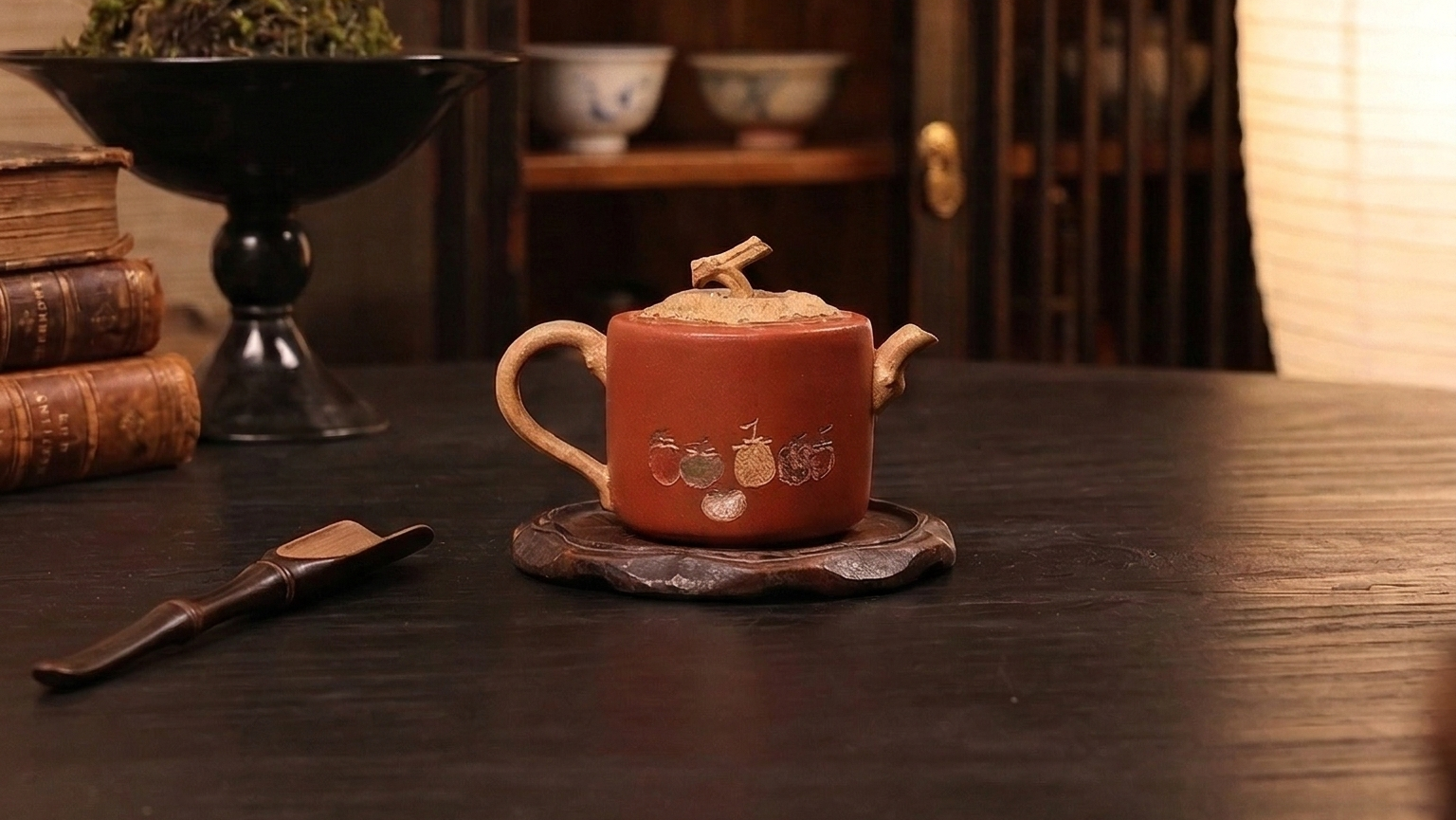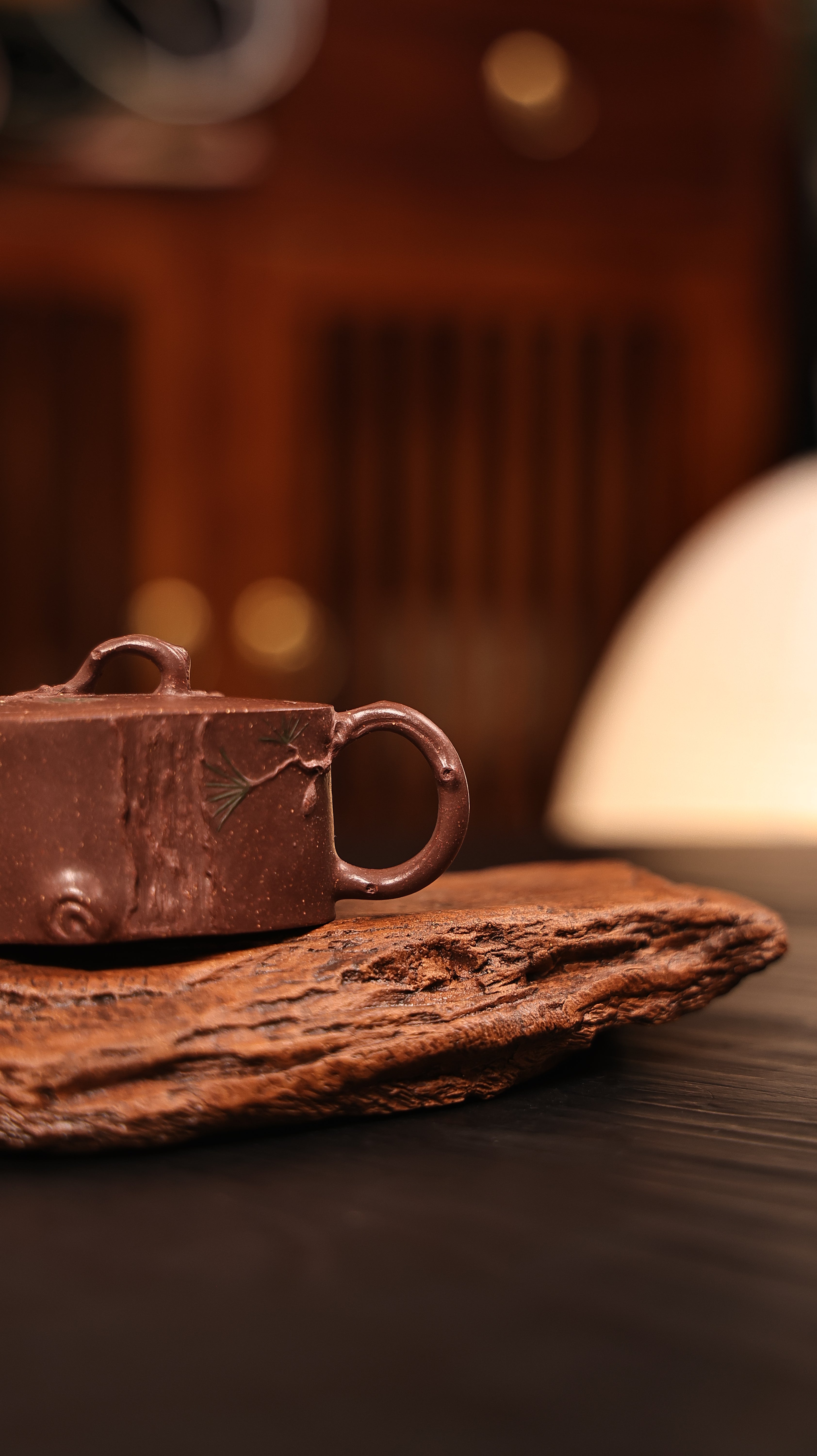
Enduring custom characterizes Eastern ceramic pots around epochs,
Reflecting peculiar attributes extracted across local violet earthen materials, those earthenwares build up a glow after handling, amplifying profile yielded from created extracts.
Appreciating Yixing Clay: Exhaustive Insights into Zisha
Diverse lovers celebrate the exceptional makeup of Yixing lavender clay, a keystone of ancient Chinese stoneware. Hailing from the Yixing region of Jiangsu province, this unique clay possesses an complex mineral makeup, which provides exceptional qualities to the final wares. Kinds within Zisha, including Zhuni Mud, Duan Ni Mud, and Jiang Xi Mud, each has distinct casts, structures, and temperatures traits, altering the ventilation and the conclusive flavor refinement of the elixir.
Asiatic Vessel Traditions: Learning Creativity
Oriental teapots embody far more mere flasks for drink; they express centuries of historical mastery. From the distinguished Yixing clay variations, respected for their breathable nature which imparts individual characters to the tea, to the graceful porcelain from Jingdezhen, each piece expresses a story of craft. The fabrication process is an involved operation, often conveyed through families of experts. These craftsmen use long-standing practices such as hand-building, shaping on wheels, and enhancing, demonstrating profound reverence for the substance and the work itself. Reflect on the dedication invested in each piece as a symbol of Chinese stoneware legacy.
- Zisha jugs: a classic option.
- Porcelain teapots: recognized for their refined design.
- Hand-building techniques: a laborious yet fulfilling procedure.
Clay Vessel Container Handling: Maintaining Your Esteemed Good
Sufficient handling of your precious Yixing Zisha urn is crucial to enhancing its value. Crafted from famous purple sand earth, these first-rate teapots accumulate a deep patina after service, decidedly boosting their allure. Do not use solvents; a gentle rinse with mildly heated hydrous matter is sufficient. Refrain heated water for cleaning the teapot, as it may break its fabric. Allow it to dry away from harsh sun beams. Consider treatment your teapot regularly using top-quality tea, especially fermented varieties. Here is a brief manual:
- Wash off with tepid aqueous solution.
- Withhold detergents.
- Let it to evaporate moisture.
- Treat with select tea.
Lineage of Yixing Teapots: From Modest Roots
The chronicle of Yixing teapots initiates initially during the Zhao dynasty, estimated the 16th century. Initially, these containers were not the cherished products they are acknowledged nowadays. They were created by territorial potters using the unparalleled purple clay gathered solely in the Yixing vicinity. These early artworks were principally utilitarian, created for habitual performance and often minimal in pattern. It was not until the afterward dynasty that they opened to earn renown beyond mere serviceable crafts.
Identifying the Ideal Chinese Vessel: A Introductory Introduction
Exploring the sphere of Yixing teapots can be challenging, but avoid concern! For novices, the central factor is understanding the sediment. Legitimate Yixing clay is prized for its breathability, allowing the teapot to hold the tea's taste over time, improving every developing session. Assess the outline; traditional circular shapes prevail, yet personal preferences matter. Lastly, check the overlay—while some favor an natural appearance, others enjoy a faint gloss. Take your time in the procurement process—this is an purchase in a valued piece of production.
Fine Clay Pots and Their Impact on Chinese Potion Ceremony
Zisha containers, originating from Yixing, China, have profoundly dictated established Chinese beverage culture. The Yixing clay teapots, prized for their special color, pattern, and exceptional ability to impart a subtle bouquet to the tea, exist as more than mere pots; they are treasured objects and symbols of renown. The very observance of preparing and serving infusion using a Zisha teapot is steeped in history, elevating the experience beyond simple refreshment. Dynasties of artisans have refined their techniques, passed down through progenies, resulting in highly sought-after pieces. Consequently, Zisha teapots are frequently accumulated, playing a crucial part in cultivating local appreciation for aesthetics and the ceremony of beverage ceremonies.
- Singular Clay Composition
- Providing Subtle Flavor
- Detailed Craftsmanship
Distinguishing True Unique Provincial Vessels
Collecting a original Yixing teapot can be a beneficial experience, but the trade is often overrun with replicas. Identifying between a true antique and a new reproduction requires exacting inspection. Key signs include the clay's auburn shade, often displaying striped decorations, and the scarcity of modern baking imprints. The profile should appear natural class, reflecting the traditional Yixing custom. Finally, researching the creator's imprint is vital to verify validity against certified records.
- Assess the clay's grain.
- Look for defects, indicative of handmade quality.
- Employ an authority for verification.
Obtaining Eastern Pitchers: A Thorough Instruction to Purple Clay Review
The world of Purple Zisha teapots affords a outstanding prospect for experienced enthusiastic followers. Growing, the market price of these Chinese Teapot skilled artifacts is driven by multiple components, such as the category of 紫砂, the mastery of the creator, the time-honored consequence, and, naturally, the current trade. Novices should emphasize on exploring the multiple variants of Zisha clay—such as Chilled Stream, Hushed Pot, and Hong Ni—and familiarizing the qualities linked to each. Meticulous evaluation of the item's pattern, cast, and imprint is likewise important to make astute decisions when investing.