In the realm of timeless legacies,
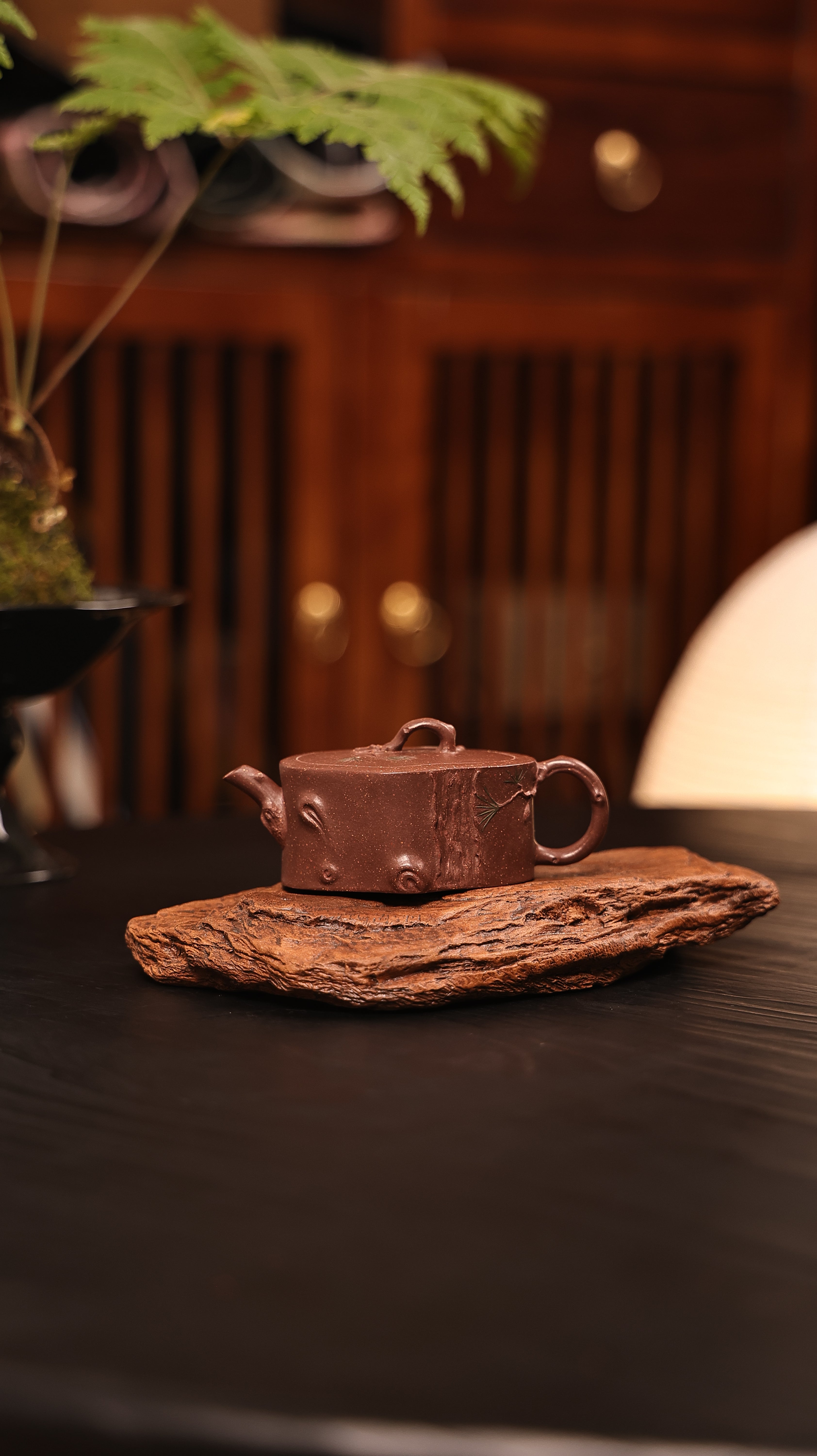
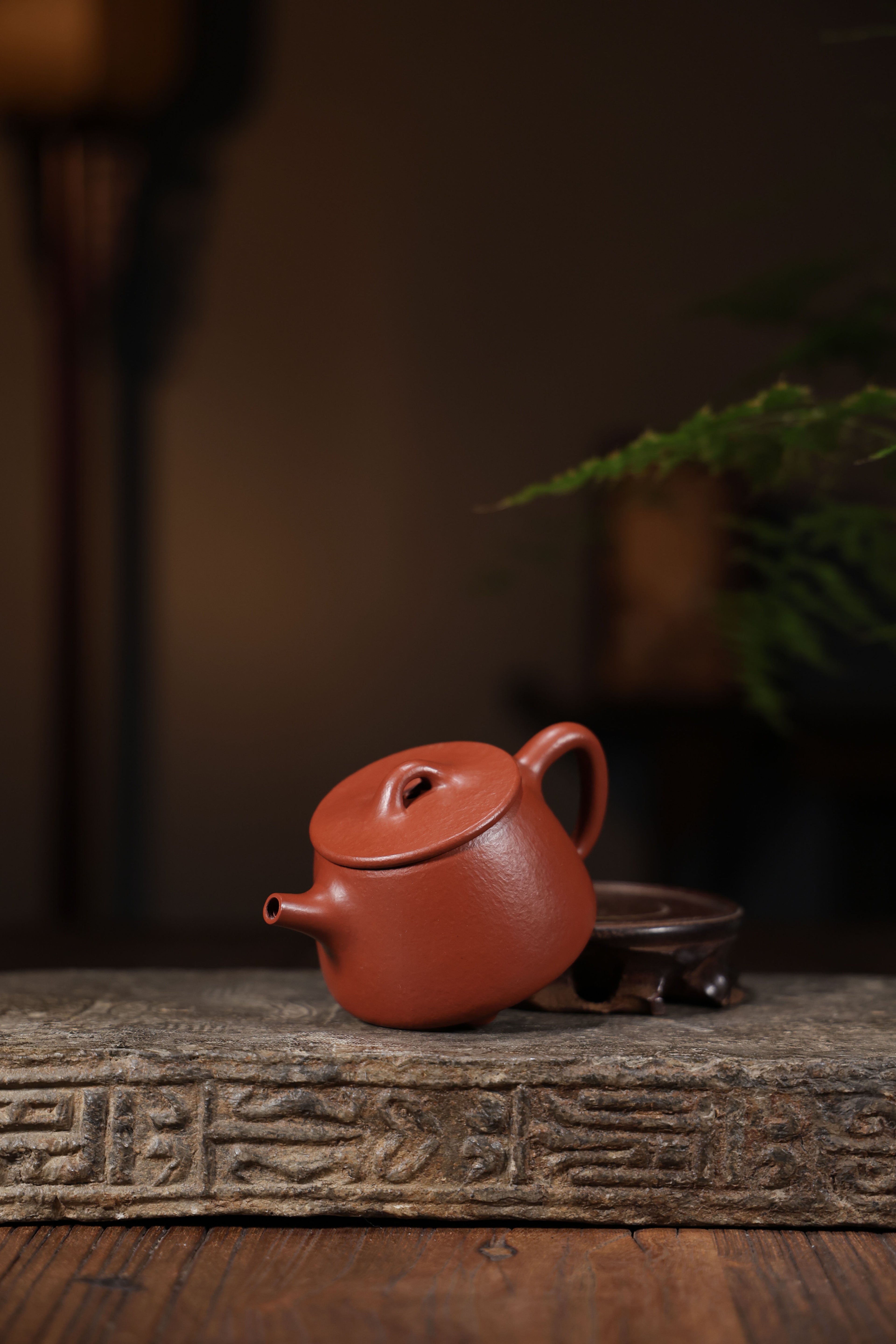
Over eras, gatherers have been enchanted by the extraordinary charm of Yixing Zisha carafes. Originating from the locality of Yixing in Jiangsu, these wares are renowned for their notable beauty, exclusive clay, and built-in ability to improve the aroma of the drink. The substrate's distinctive auburn hue, combined with the skillful workmanship of local makers, creates items that are simultaneously functional crafts and esteemed properties. Securing a Zisha teapot is more than just such a purchase; it's inviting a rich cultural heritage.
Understanding Yixing Teapots: History, Varieties, and Worth
The Yixing teapots are a rich history deeply intertwined with Chinese culture. Originating in the Yixing region of Jiangsu province, these clay vessels have a heritage dating back to the Ming Dynasty. Early examples were functional, but over centuries, Yixing teapot building evolved into an esteemed art form. The clay itself, known for its unique feature and ability to modify the flavor of the tea, remains a defining factor. Yixing teapots come in various versions, broadly categorized by shape: Historic such as Zhuni (purple clay) and Bisheng, as well as refined designs. The esteem of a Yixing teapot rests on several factors, including the potter’s renown, the age of the piece, the Yixing Teapot rarity of the clay, and its aesthetic merit.- Origins: Ming Dynasty
- Medium: Assorted selections
- Estimation Aspects: Uniqueness
Zisha Claycraft: Approaches and Artists
That production of a bona fide Zisha teapot is a sophisticated process, requiring long spans of skill. Master artisans meticulously identify the best Zisha clay, a distinctive earth found only in specific regions of China. Classic techniques, often conveyed through families, involve careful shaping, sensitive carving, and deliberate firing in ancient ovens. The concluding teapot isn't merely a container; it's a testament to design vision and the intense connection between the artist and their background. Each object showcases the special touch of the creator, resulting in a truly unique work of making.
Traditional Artefacts: Investigating the Deep Practices of Yixing City
Celebrated Yixing, positioned in Jiangsu the jurisdiction, is worldwide renowned for its exceptional teapots – a tangible representation of centuries of Chinese tradition. These aren't merely vessels for brewing tea; they are intricate works of innovation, often reflecting historical ideals. A unique purple clay, known as Zisha, possesses extraordinary qualities: the matter dense, open to air, and imparts a subtle nuance to the tea.
- Several ancestries have honed the techniques of Yixing teapot making, passing down hereditary methods through successions.
- Aficionados prize these pieces for their attractiveness and rarity.
- Several teapot tells a history, connecting the tea lover to a rich past.
Investing in Yixing Zisha: Crucial Elements
Upon considering buying Yixing Zisha containers, a range of elements necessitate careful inspection. At the outset, the earth's pigment is significant; authentic Zisha generally exhibits a evident auburn undertone. In addition, scrutinize the execution; exacting details and a flawless veneer indicate experienced fabrication. To finish, study the fabricator's prestige; renowned names command greater premiums and often guarantee a stable yield.
The Art of Brewing Tea with a Zisha Teapot
Preparing exquisite tea with a Zisha vessel is more exceeding a simple method; it's an discipline. Zisha clay, known for its unique geological composition, imparts a delicate character to the brewed tea that’s often absent with other materials. The right water thermal condition is key; typically, moderated than what's used for black tea, to sustain the tea's odor and quality. Consider diligently the tea sort; delicate green teas or aged pu-erhs flourish from the Zisha’s ability to smooth their inherent edge. It’s imperative to condition the teapot preceding brewing, and to eschew over-steeping. Mastering this practice leads to a genuinely exceptional tea experience.
- Realizing Zisha Clay
- Heat Intensity & Tea Category
- Role of Pre-treatment
Protecting Your The Kettle
In an effort to secure the lifespan of your treasured Yixing earthenware, careful maintenance is decisively crucial. Do not using synthetic products; instead, carefully wash it with mildly heated moisture. Steer clear of unexpected changes; refrain position the clay pot directly onto a thermally active burner. Periodically, develop the pot by steeping it with superior dark steep, as this aids to strengthen its essence and protects the singular attributes of the component.
Regarding Substance to Vessel: The Development of a Yixing Vessel
The creation of a Zisha teapot is a noteworthy process, a proof to both nature's bounty and the craft of the handworker. It initiates with the rigorous extraction of the exceptional clay from the purple Zisha mines in proximity to Yixing. This prime material, known for its extraordinary peculiarities, is then slowly filtered and organized for the primary forming. The jug's shape is adeptly built using a combination of time-honored sculpting practices, often incorporating detailed ornaments. Following hardening, the teapot undergoes a vital first firing, complemented by a layering stage, which might involve several layers of earthy Zisha applications. Finally, a second, and sometimes third, firing at powerful temperatures brings the creation, revealing its conclusive beauty and extraordinary characteristics - a veritable masterpiece, primed to grace a tea gathering.
{Yixing Teapots: A Sign of the Way of Life and Honoring
Yixing teapots, originating from the celebrated Yixing region of Jiangsu province, are far more than mere receptacles for brewing brews; they represent a major aspect of Chinese civilization. Fabricated from distinctive purple clay – zisha – these distinctive teapots are highly appreciated for their ability to enhance the flavor of the tea and, crucially, for their aesthetic appeal. The legacy of Yixing teapot making spans centuries, and the craft involved is transmitted through generations, making each teapot a beautiful object that embodies long-established techniques and a profound appreciation for the modest pleasures in life.