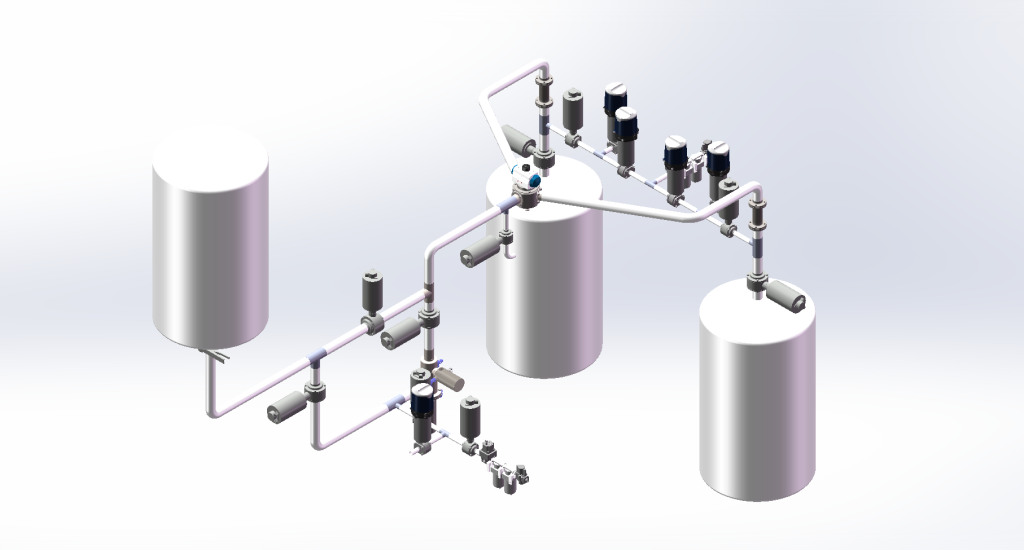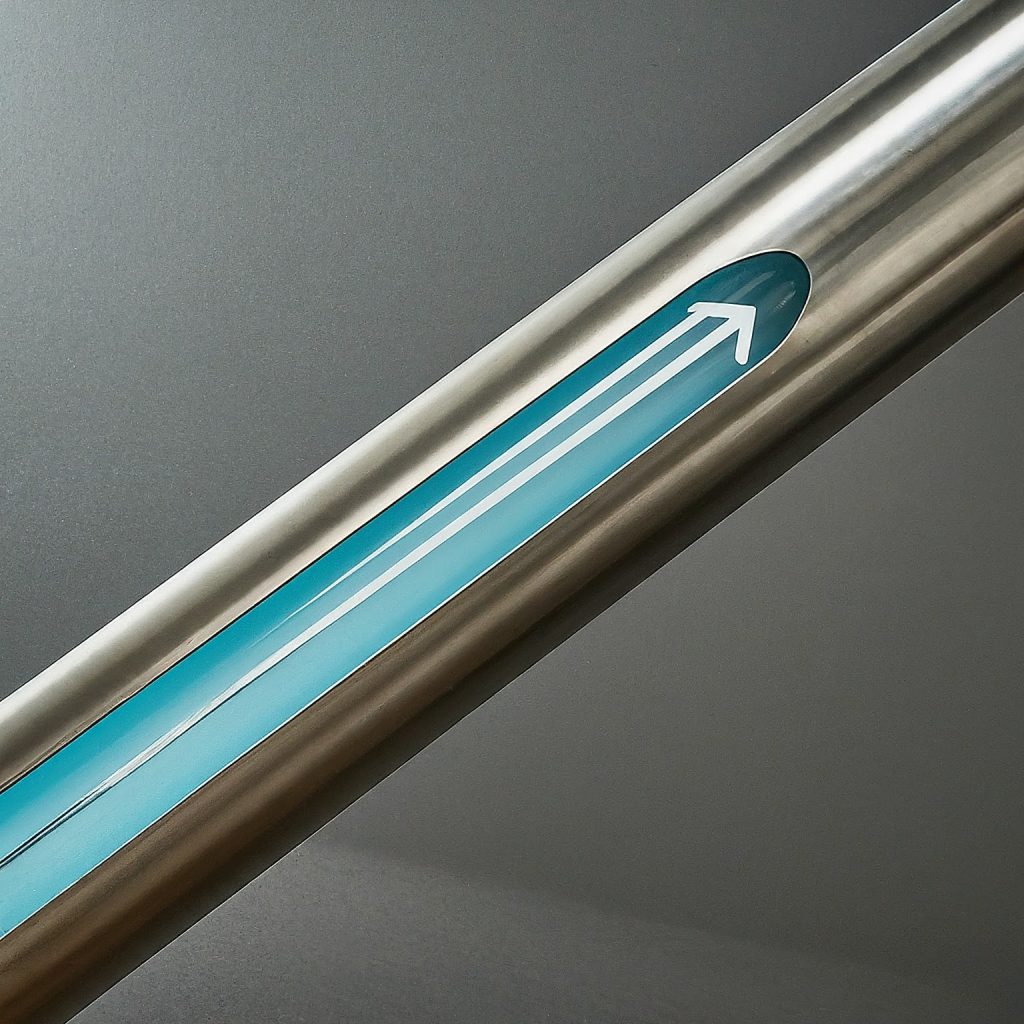
Unconventionally handling passage scrubbing procedures greatly uplifts transmission functionality while reducing build-ups and assuring pipeline cleaning process body sturdiness.
Passage scouring acts as a paramount procedure for maintaining the condition of petroleum lines. This method includes using a device, often known as a “pig,” to travel through the conduit and eliminate build-ups like scale, detect degradation, and repair circulation capacity. Comprehending the diverse kinds of pigging operations, from simple sphere pigs to more enhanced intelligent pigs with scanners, is imperative for improving pipeline stability and lowering maintenance costs.
Definitive Branch of Duct Washing Runners
The function of pipeline cleaning, often conducted with specialized tools known as cleaners, is a surprisingly detailed area of engineering. These apparatuses aren't just exclusively brushes; their design and objective are rooted in liquid dynamics and component science. Regularly, pigs are introduced into a pipe and travel with the transmission of the content, steadily removing accumulations of film, deterioration, and other residue. Varied types of pigs appear, each designed to address precise challenges. For sample, ferrous pigs deploy magnetic pull to navigate through hard bends and angles, while foam pigs fracture stuck deposits. The potency of a pigging initiative is directly linked to comprehending the pipe's characteristics and selecting the compatible pig for the role.
- Apparatus Models
- Fluid Mechanics
- Substance Match
Enhancing Individual’s Channel Scouring Technique
To safeguard optimal success of your plant, rigorous pipeline cleaning is critically important. Regularly scrutinizing your pipelines and utilizing a systematic cleaning procedure can greatly avert downtime and dodge costly corrections. Consider incorporating preventative procedures, such as periodic flushing with appropriate fluids, and harnessing advanced equipment like pigging or hydrojetting to dislodge buildup. A practical cleaning regime will extend pipeline continuance and strengthen overall business output.
Scouring for Pipeline Upkeep: Best Techniques
To achieve optimal pipeline integrity, employing flushing tactics is essential. Best standards involve recurrent assessments of gadget state and determination of the proper type for the targeted application. Careful consideration of instrument proportions, compound, and propulsion setup is mandatory. Furthermore, complete logging of scraping procedures and any recognized abnormalities is paramount for efficient pipe infrastructure supervision.
Understand Pigging? Familiarizing with Pipeline Refining Technology
Scouring, sometimes known as pipeline inspection technology, represents a crucial process for maintaining the health of pipelines used for moving liquids and gases. Essentially, a “pig” – which can be a cylindrical implement – is propelled through the conduit to eliminate debris, buildup, and rust that builds up over time. This purging procedure helps to reinstate flow operation, curtail the risk of defects, and augment the existence of the total pipeline framework.
Varieties of Pipe Cleaning Gadgets: Electing the Optimal Implement
Various sorts of pipe cleaning gadgets are at hand to handle differing conduit situations. Opposing apparatus transit in both orientations, ideal for curtailing particular debris. Flat launchers are impressive for extracting encrustations from pipe walls, while setae apparatus are made for tackling decay and dense paraffin pile. Cellular launchers harness distinctive compound mechanisms to disintegrate deposits, and dynamic devices equip advanced analysis capabilities. Hence, scrupulous appraisal of passage qualities is critical for nominating the best instrument for the assignment.
Upsides of Consistent Pigging for Pipeline Integrity
Regular purging operations offer substantial favorable effects for pipeline condition. These self-operating units effectively eradicate deposits like wax and deterioration, which can restrict flow and damage the pipe’s structure. By discovering decay early, pigging permits proactive restoration, minimizing the hazard of costly failures and preserving the steady functionality of the total pipeline system. This, in turn, raises effectiveness and decreases operational outlays.
Definitive Step-by-Step Guide to the Pipeline Cleaning Process
To start the channel cleaning routine, initially, a comprehensive examination of the system is required. Next, the optimum cleaning approach is identified, which is likely to involve methods like jetting or compound operation. The pig is then precisely deployed into the duct and progressed along its length. While the movement, the mechanism discard accumulated scale. Finally, the cleansed apparatus is pulled back, and a ending audit confirms the pipe’s orderliness.
Addressing Common Issues in Pipeline Pigging
Addressing complications that manifest during pipeline scouring operations is urgent for maintaining optimal flow performance. Frequent complaints often focus around device seizing within the channel, which can be due to build-up of residue, hydrate build-up, or dislocation of the instrument. Proper examination often needs pressure checking, visual check of pig monitoring data, and potentially cutting-edge equipment for tool recovery. Furthermore, complications related to damaged cups or seals on the pig also demand early attention to stop more critical operational breakdowns and costly adjustments.