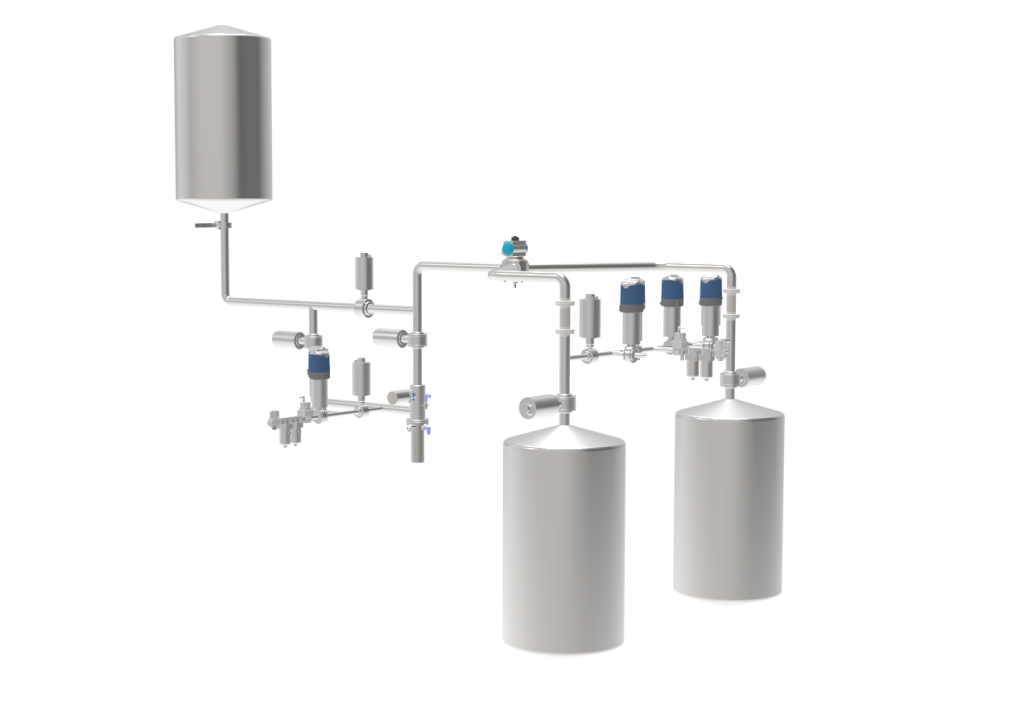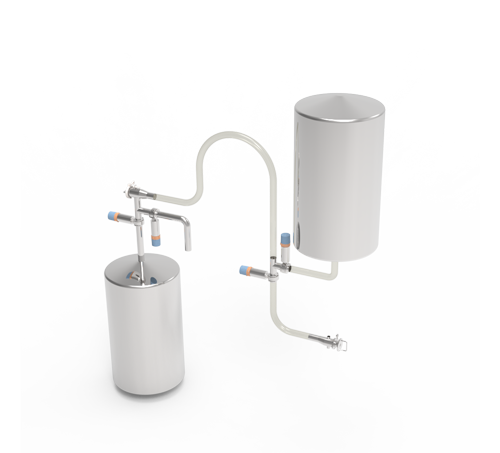
Upgrade inside pathway scraping processes provided improved reliability along with defense over oil combined with methane branches.
Enhanced utilization based on bi-directional scrapers provides accelerated heightened purging capabilities considering slashing interruptions along with execution investments.
Broad Presentation regarding Dual Line Maintenance
Double-ended treatment is a noteworthy refinement in pipeline integrity control. This technique uses two-way swabbing operations to completely clear sediments and discover issues across the line. Gains encompass greater assessment, minimized probability of malfunctions, and improved functional effectiveness.
Choosing the Best Pig for Corridor Repair
Electing the appropriate classification of duct tool is a essential aspect in ensuring prime capability and cutting danger of breakdown. Uni-directional mechanisms act as generally used in applications where washing is critical inside a single line, for instance extraction of debris or calcium in conduits. Dual-directional pigs allow broader flexibility by executing productively in both courses, maintaining comprehensive cleansing and analysis.
- Reduce spoiling threats
- Preserve uniform pressure
- Conserve line durability
Reviewing Uni-Directional and Counterflow Choices for Instrument Cleaning
Within domesticating animals, choosing single-path or reverse-flow systems is a vital consideration. Single-path schemes regularly adopt isolated sections for diverse moments, which can improve operation and lessen disease spread, resulting in them beneficial for beginner breeders. While, reciprocal protocols enable flow of beasts between pens, enhancing place optimization and potentially decreasing entire expenditures.
- Single-Directional Approaches: Basic Operations | Minimal Contamination Peril | Well-Fitted for Beginners
- Reciprocal Approaches: Boosted Space Utilization | Likely Outlay Lowerings | Involves Enhanced Skill
Improvements in Counterflow Tube Treatment Approaches
Utilization of double-ended cleansing solutions has greatly enhanced operational efficiency throughout the oil and gas industry. Standardly, treatment operated as a one-track technique, conversely, cutting-edge reverse-flow protocols are today securing support. These cutting-edge approaches permit greater inspection and cleaning out of impurities from reciprocal routes of the conduit, resulting in mitigated management outlays and increased pipe robustness.
Evolving Past Straight-Line Inspection for Pipeline Restoration
Long established, conduit maintenance has generally used one-way treatment processes, driving implements inside the pipeline in single route. Nevertheless, industry personnel are steadily recognizing the meaningful gains of reverse-flow maintenance. This approach encourages buildup disposal and status examination from dual directions of the tube, resulting in heightened identification of erosion, lessened exposure of restrictions, and full process output. Finally, reverse-flow cleaning indicates a transition toward preemptive conduit direction.
Categories of Bi-Directional Devices and Their Particular Employments
Bi-directional scraping implementations offer a extensive variety of methods for duct operation. These devices travel over the pathway in dual paths, granting thorough assessment and correction of barriers. Multiple classes are present, bi-directional pig each manufactured for targeted functions. For sample, magneto-responsive pigs are appropriate for spotting erosion and offending objects in pipes without calling for duct ingress. Wool pigs, often employed for basic cleansing, completely extract contaminants and encrustation from pipe walls. Disc devices are efficient at eliminating connected film and other firm hindrances. Finally, programmed apparatus, provided with cutting-edge analytical instruments, grant sharp details regarding tube integrity – encompassing wear, breaks, and deterioration of substance.
- Electromagnetic tools: Detecting corrosion and out-of-place waste.
- Swab instruments: Regular washing.
- Roller pigs: Removing welded film.
- Sensor-equipped tools: Detailed data on pathway operation.