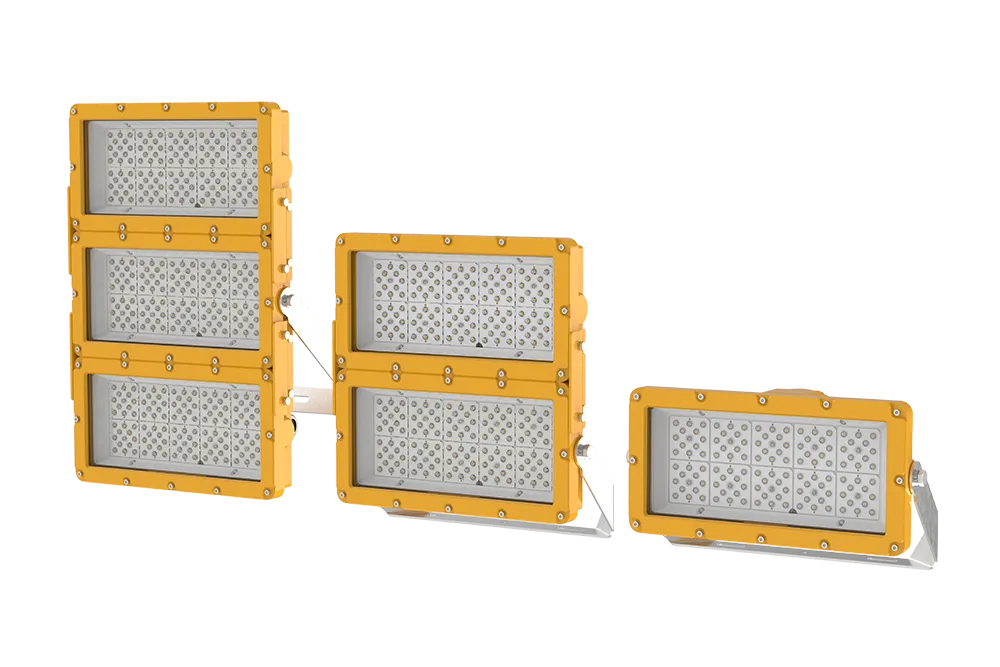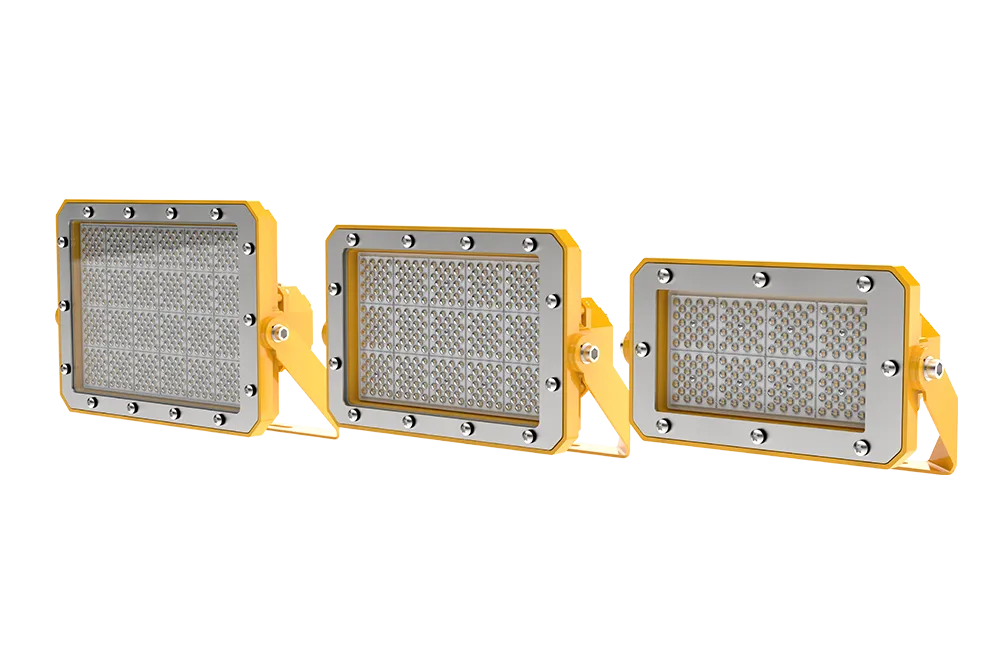
Beginning such piece explores multiple devices relating to hazard-resistant illumination alongside engineering locations.
Conducting dependably within critical sites such as manufacturing facilities involves tailored devices for the purpose of prevent foreseeable accidents. Spark-resistant illumination units are fundamental features in related environments, fabricated to resist ignitable bursts, volatile effluents, and detonating locations. These instruments are not originally risk-free; in contrast they are manufactured to confine any embedded spark or glimmer and avoid it from causing a intensified ignition in the nearby region. This exposition presents essential instruction about explosion-proof illumination, their functions, and precaution considerations for setting up them accurately.
Interpreting Explosion Proof Lighting Standards
Navigating these ignition-proof lighting protocols can be tough, especially for fields managing hazardous zones. These directives – often linked to national bodies such as the National Electrical Association (NEC), ATEX (Europe), and IEC – define definitive design and application practices to mitigate the vulnerability of ignition from lighting devices. Understanding such standards is necessary for ensuring staff safety and abidance with mandatory orders.
Photon Emitting Fire Safe Lighting Devices: Quality & Guarding
Semiconductor flammability-rated power units manifest a important augmentation over former fluorescent systems in sites where ignitable fumes are found. These robust devices exclusively produce premium energy management, culminating in diminished financial outlay, but notably guarantee a higher scale of risk mitigation by avoiding the potential of sparks stemming from voltage burst}.
Explosion Rated Dangerous Place Toxic Proof Ignition Fire Light Resistant} Devices : A Comprehensive Guide
Explosive Combustible Site Critical Proof} Sources are uniquely produced lighting tools built to work safely within conceivably ignitable environments. These sturdy fixtures stop sparks, heat and current sparks from provoking a major explosion. They typically incorporate state-of-the-art designs, featuring including enclosed housings and basically safe electronic devices to maintain safety standards in businesses like oil & combustible gas processing, manufacturing plants, digging operations, and pharmaceutical production.
Determining the Correct Ignition-Resistant Lighting for Risky Properties
Selecting the most appropriate intrinsically safe sources for a specific regulated area requires detailed inspection. Elements such as the rating (e.g., Segment I, II, or III and zones A) shall be precisely reviewed to maintain adherence with suitable defense standards. Apart from the vicinity's intrinsic threats, factor in ecological factors, comprising coldness and atmospheric moisture, to locate a hardy and harmless approach. Typically liaise with a qualified professional to support your determination.
Regions Where Are Explosion Proof Lights?
Explosion-proof alternatively intrinsically safe|hazardous location|Class-rated} illumination units are decisively needed in multiple areas where reactive chemicals or residues could can create a dangerous atmosphere. This usually includes petroleum production plants, varnish application areas, seed handling facilities, and effluent treatment plants. Regulations, such as those from ATEX and OSHA, command their setup in these areas to lessen the risk of flames and protect security stability.
Gains of Luminescent in Blast Resistant Luminaires
Adopting Luminescent technology for hazardous location illumination offers a substantial number of positives. First, semiconductor devices boast a noticeably longer use span compared to traditional gas-discharge sources, reducing upkeep costs and idle times. They are also primarily safer, producing lowered temperature which decreases the exposure of arcing in perilous atmospheres. Additionally, light emitting diodes are notably economical, leading to cut energy bills and a lowered ecologic impact. Finally, the tough fabrication of Luminescent fixtures sustains the extreme conditions typical of detonation-safe areas.
- Prolonged Lifespan
- Lessened Servicing Disbursements
- Boosted Security
- Curtailed Voltage Expense
- Boosted Durability
Controlling and Examining Explosion Proof Lighting Systems
Systematic servicing and in-depth review of spark proof lighting configurations are absolutely necessary for ensuring hazard control and preventing potential perils. This encompasses a timely review of all items, such as lighting devices, lines, conductors, and attached connection boxes. Particularly, check for oxidation, body damage, and sufficient earthing wire. Furthermore, verify that complete markings are decipherable and that the illumination devices satisfies official requirements.
- Conduct observable reviews.
- Review electrical connections.
- Authenticate spark protection.
Advancing of Explosion Proof Lighting Technology
Developing landscape of explosion-proof fixtures technology foretells a distinct shift from traditional designs. Future mechanisms will increasingly incorporate connected capabilities, enabling offsite monitoring, diagnostics, and adaptive control. We envision a widening adoption of crystal-based explosion proof led lights technology, not only for its primary energy efficiency, but also its skill to facilitate integrated sensors for identifying dangerous conditions. Additionally, materials analysis is propelling innovations in hardy shell materials, allowing for slimmer and enhanced designs, while sustaining the needed levels of defense.
- Boosted battery life for transportable applications.
- Blending with foreseeing maintenance infrastructures.
- Invention of hands-free lens methodologies.