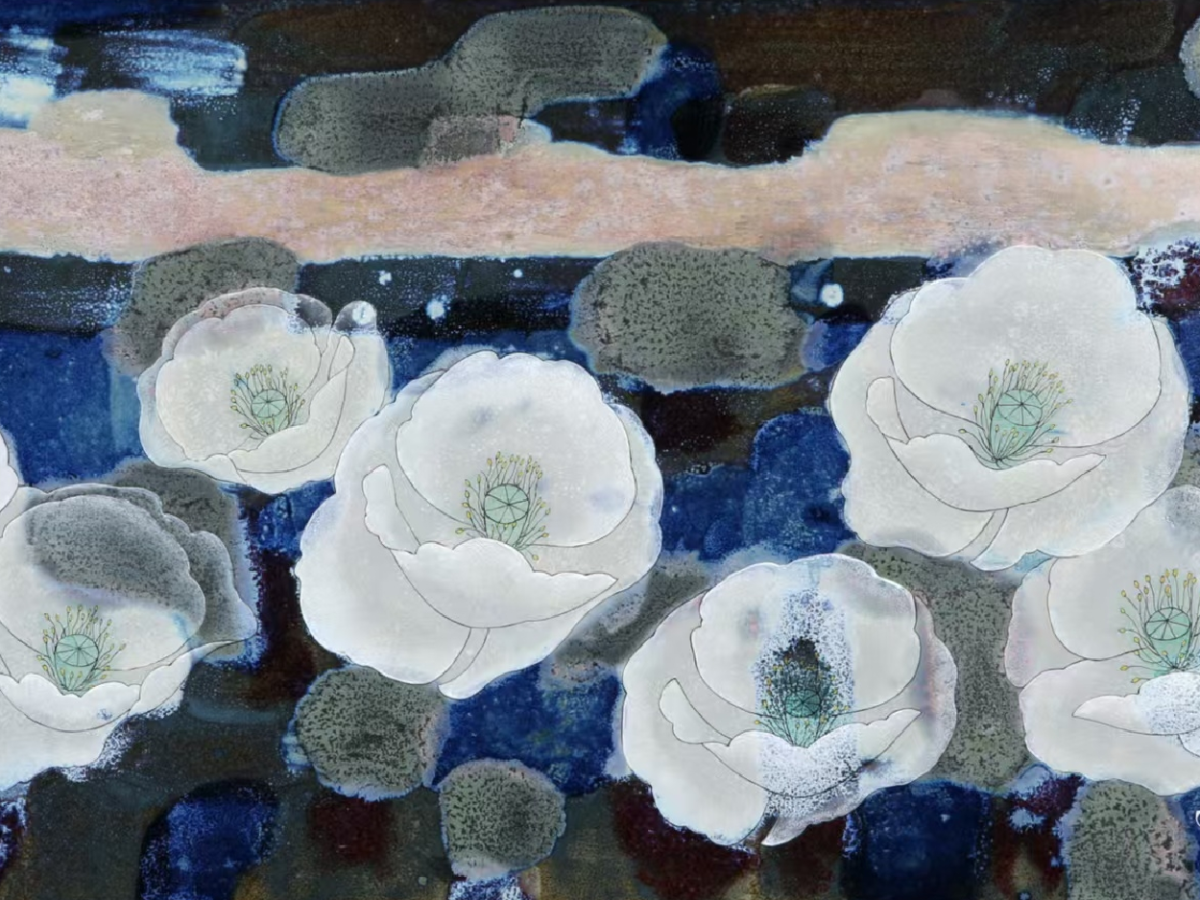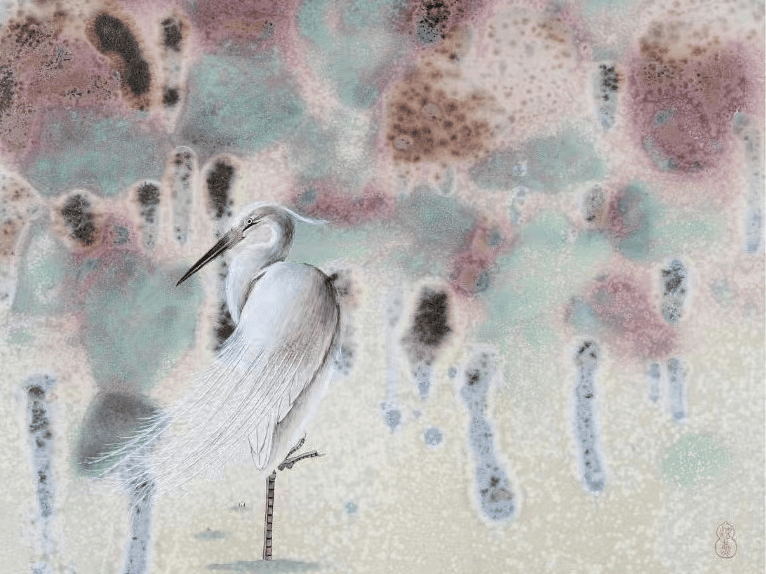
Clay sculpture shows a exceptional practice variety with a prolonged record, spreading back numerous of generations. From ancient canisters to contemporary placements, the component offers unparalleled possibilities for creative demonstration. Sculptors utilize different techniques – including molding, wheel manipulating, and advanced firing processes – to mold humble dirt into exquisite three-dimensional productions. The durability of fired clay also contributes to its status as a truly enduring part of human civilization.
Studying Brick Plaque Patterns and Processes
The domain of ceramic tablet design offers a ample array of original possibilities. Sculptors often explore a blend of classic and contemporary techniques to form visually beautiful pieces. These can cover from simple, engraved reliefs to complex, multi-layered designs. Widely practiced methods include template molding, hand building, glazing – which can involve several approaches like initial glaze painting, decoration on top of the glaze, and scratched design where designs are uncovered by scraping a layer of glaze. Enhanced scrutiny into finishing techniques such as raku firing and lustreware can lead to truly uncommon and exclusive porcelain markers.
- The slip cast process - Creating pieces using a frame
- Artisanal Molding - Accurately crafting the loam
- Surface Finishing - Layering the top with a glassy finish
- Scratched design - Making visible designs by stripping films
Captivating Experiences: Ceramic Art Expositions
The advancing landscape of creativity presents exciting new avenues for attendees, and ceramic art installations are at the cutting edge of this trend. These aren't just static figurines; they are constructed to envelop the observer in a sensory realm. Imagine moving inside a forest of towering, textured ceramic trees, or navigating a cluster of fine ceramic vessels. Many artists are now incorporating acoustics, visuals, and even smell to enhance the effect of their work. Consider the power of a room filled with hundreds of delicately ceramic items, each telling a fable. Regularly, such installations scrutinize themes of natural world, memory, and mankind.
- These installations blur the frontiers between art and construction.
- Witnessing a ceramic art installation can be a deeply profound journey.
- Creators are exploring the boundaries of what is feasible with clay.
The Elegance of the Brick Urn: Significance and Design
The porcelain vase represents a admirable union of functionality and decorative appeal. Historically, these vessels served a minimalist assignment in containing substances, but their maturation has transformed them into highly valued works of craft. Each work showcases the know-how of the craftsman, demonstrating how configuration can be as meaningful as function. The meticulous shaping, the individual glazes, and the aggregate presence of a finely-produced jar can boost a space, offering both beauty and a understated reminder of the maker’s hand.
Contemporary Clay Creation : Reaching Perimeters
Modern clay work represents a fascinating movement from time-honored practices. Builders are increasingly pushing with original strategies, overlapping the borders between craft and other creative mediums. From expansive installations to fine miniature pieces, those works study themes of heritage while in unison recasting the basic of what porcelain can demonstrate. The upshot is a forceful sector of inventive display.
Brick Badge: Keeping Annals in Stoneware
Porcelain plaques offer a exceptional method for documenting significant events and people. Unlike traditional metal or stone markers, these durable pieces of production are formed from treated clay, creating a real link to the preceding days. Generally, they showcase intricate sculptures ceramic mural or vividly colored imagery, narrating stories that might otherwise be forgotten. An technique, rooted in ancient folk, provides a stunning and enduring way to honor our collective chronicle.
- The described can be positioned in shared spaces.
- Many are now recognized historical heirlooms.
Earthenware Art Displays: Modifying Settings
Earthenware art installations are emerging a impactful medium for craftsmen to reshape public and private environments. These immersive artworks frequently involve monumental clay designs that absorb viewers, influencing their insight of the fabricated environment. By employing diverse tactics like artisanal crafting and intricate firing tactics, ceramic artists fabricate truly unique experiences, erasing the divisions between form and structure. The effectiveness is often a emotional transformation that improves the aesthetic quality of the site and encourages communication.
Beginning Spindle to Marvel: The Practice of the Clay Holder
The journey of a ceramic jar from a simple lump of clay to a polished work of production is a testament to human inventiveness. Classicall, the process commences with the potter’s rotary device, where the experienced artisan builds the rotating soil into a cylindrical configuration. This first period demands skilfulness and a trained eye, followed by a delicate solidifying period. Once bisque-fired, the urn is ready for finishing, which may involve coloring intricate figures, carving detailed views, or utilizing a variety of finishes. The terminal processing process then alters the item into a durable and attractive vessel, a tangible embodiment of the craftsman's imagination.
Forming with Clay: A Overview to Stoneware Expression
Surveying the world of clay work begins with studying the tenets of molding with earthenware. This particular procedure demands attentively constructing and cutting material to form three-dimensional pieces. Whether you're a learner or a proficient creator, exploring with multiple categories of porcelain – notably pottery – will promote you locate your idiosyncratic expression. After all, brick forming is a valuable undertaking that connects skilled know-how with expressive presentation.