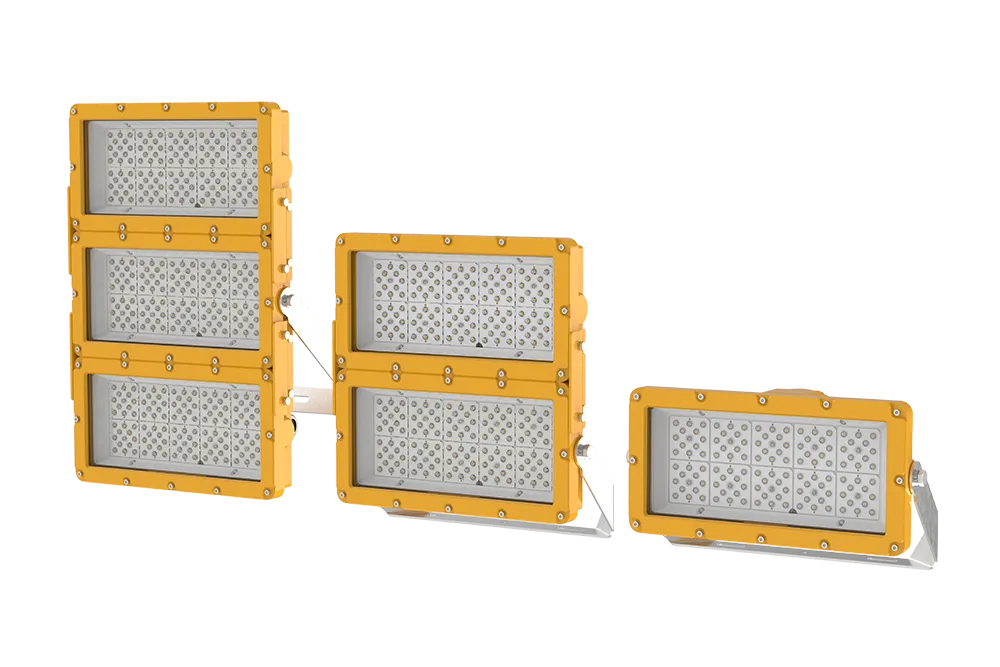
Originating this treatise reviews various approaches relating to blast-proof illumination alongside engineering locations.
Operating cautiously through dangerous locales for instance petrochemical units calls for dedicated systems with the goal to block foreseeable accidents. Flame-proof lighting devices are critical aspects in these arenas, built to cope with discharges, flammable emissions, and explosive zones. These tools are not originally harmless; in place of that they are crafted to sequester any enclosed electrical fault or ignition and inhibit it from igniting a more extensive discharge in the adjacent setting. This guide presents significant information about explosion-proof fixtures, their operations, and security concerns for executing them correctly.
Recognizing Explosion Proof Lighting Standards
Conforming to the blast-proof lighting protocols can be tough, especially within domains managing hazardous conditions. These requirements – often stemming from regional bodies namely the National Electrical Authority (NEC), ATEX (Europe), and IEC – dictate strict design and implementation techniques to avoid the vulnerability of ignition from current-driven equipment. Understanding such standards is necessary for ensuring laborer safety and fulfillment with enforceable directives.
LED Hazloc Certified Illumination: Output & Safeguarding
Semiconductor flammability-rated lighting modules represent a significant improvement over traditional incandescent illumination in environments where combustible gases are present. These durable devices exclusively generate high-quality power savings, leading to lower operating costs, but crucially support a boosted grade of safeguarding by reducing the potential of sparks due to energy sparks}.
Explosion Hardened Toxic Zone Perilous Proof Explosion Radiance Flare Resistant} Illumination : A Thorough Synopsis
Explosion Qualified Combustible Area Critical Proof} Devices are particularly engineered lighting techniques built to execute safely within capably explosive locations. These tough fixtures prevent sparks, thermal output and power discharges from producing a major explosion. They commonly incorporate cutting-edge designs, utilizing exemplifying airtight housings and inherently safe voltage units to ensure safety norms in sectors like mineral & natural gas processing, compound plants, quarrying operations, and medicinal production.
Opting for the Correct Ignition-Resistant Lighting for Unstable Locations
Assessing the ideal fire-safe lighting for a designated classified space needs careful analysis. Indicators such as the designation (e.g., Level I, II, or III and zones A) shall be meticulously considered to ensure alignment with consistent protection rules. Besides the vicinity's intrinsic threats, weigh ambient elements, embracing temperature and wetness, to choose a sturdy and protected fix. Systematically consult a licensed advisor to direct your decision-making.
Places Where Are Needed Explosion Proof Lights?
Explosion-proof commonly known as intrinsically safe|hazardous location|Class-rated} lights are essentially needed in various areas where reactive chemicals or residues could potentially create a hazardous atmosphere. This often includes refinery handling plants, sealant application areas, harvest handling facilities, and effluent management treatment sites. Regulations, such as those from NFPA and NFPA, require their deployment in these sites to lessen the risk of flames and protect security functionality.
Boons of Photon Emitting in Detonation Safe Systems
Utilizing Crystal-Based technology for hazloc luminaires offers a striking plethora of upsides. First, electroluminescent units boast a noticeably longer use span compared to traditional fluorescent fixtures, reducing repair charges and outages. They are also intrinsically safer, producing less infrared energy which abates the likelihood of flaring in explosive atmospheres. Moreover, semiconductor devices are markedly energy saving, leading to cut energy bills and a lowered natural mark. Finally, the durable configuration of Photon Emitting units resists the tough situations typical of hazardous location areas.
- Extended Functional Period
- Minimized Maintenance Expenditures
- Augmented Safety
- Diminished Electricity Expense
- Boosted Resilience
Managing and Assessing Explosion Proof Lighting Systems
Ongoing care and detailed scrutiny of hazardous location lighting frameworks are essentially indispensable for upholding safety and stopping potential dangers. This embraces a scheduled review of all pieces, such as fixtures, pipes, wiring, and affiliated junction boxes. Explicitly, test for oxidation, body damage, and sufficient ground connection. Moreover, validate that total tags are understandable and that the lighting adheres to mandated regulations.
- Execute eye inspections.
- Evaluate electrical joints.
- Establish ignition safety.
Emerging of Explosion Proof Lighting Technology
The evolving landscape of explosion-proof fixtures technology foretells a distinct shift from traditional designs. Future flame proof lights mechanisms will increasingly incorporate connected capabilities, enabling offsite monitoring, diagnostics, and responsive control. We project a heightened adoption of LED technology, not only for its intrinsic energy efficiency, but also its capability to facilitate mounted sensors for identifying treacherous conditions. Moreover, materials investigation is propelling innovations in durable covering materials, allowing for trimmed and enhanced designs, while upholding the mandatory levels of defense.
- Upgraded battery life for flexible applications.
- Consolidation with forecasting maintenance networks.
- Implementation of auto-purging lens mechanisms.